Get your hair back
Our hair treatments are clinically proven to help you keep and grow your hair.
 UK-licensed experts
 Free fast delivery
 Results in 3-6 months
Tell us about your hair loss and get a treatment recommendation tailored to your needs

Testimonials
More than 500,000 men trust our treatment plans


TrustScore4.7/522k+reviews
Voy has helped me feel like myself again, it’s been life-changing.
"Before this, I was constantly worrying about my hair until a friend told me about Voy. Six months in and my hair looks thicker, fuller and I’ve seen actual regrowth. Their expert support and easy, reliable service have made all the difference”
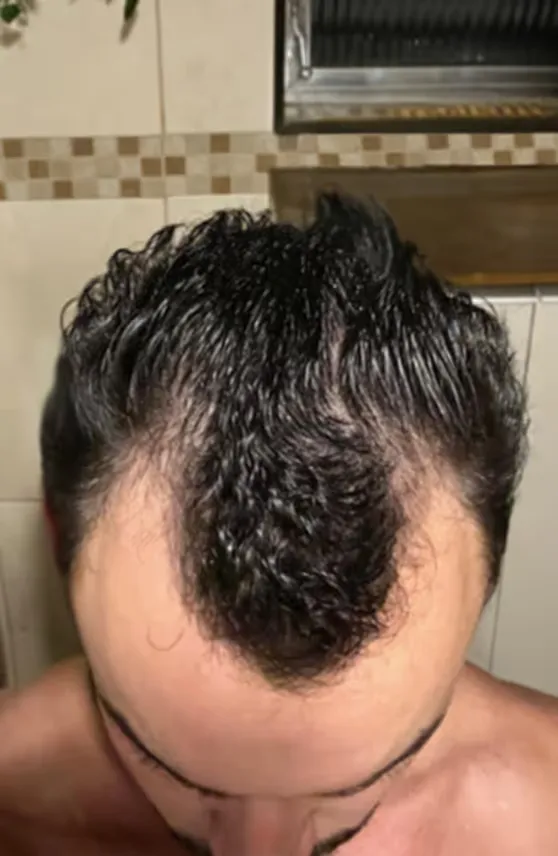
Day 1
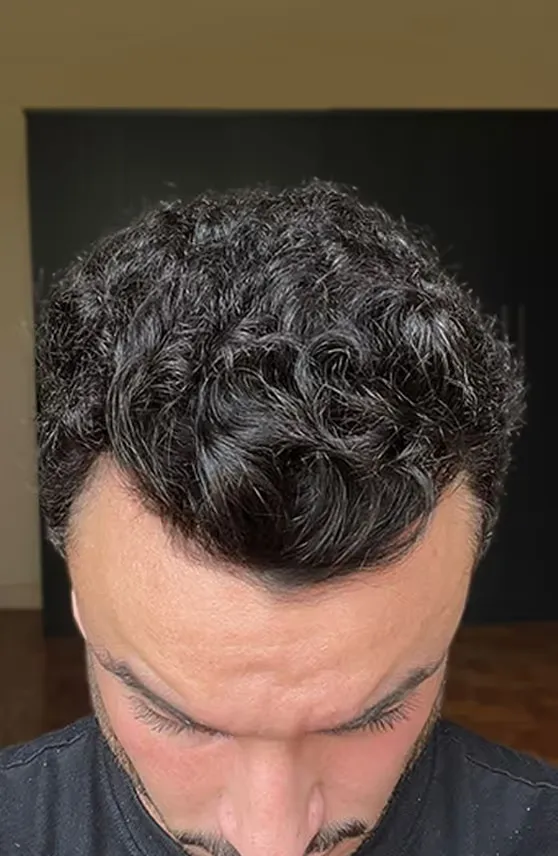
6 Months
Improvement has been amazing!
"One year on from starting the hair treatment and the improvement has been amazing. I was not initially convinced this would work but the results speak for themselves. Very glad I persisted and grateful for Voy's support."
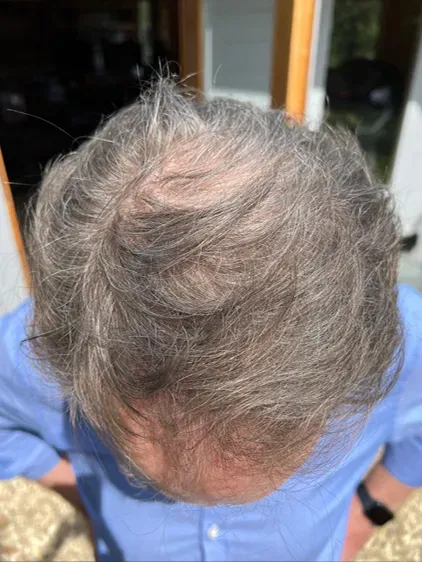
Day 1
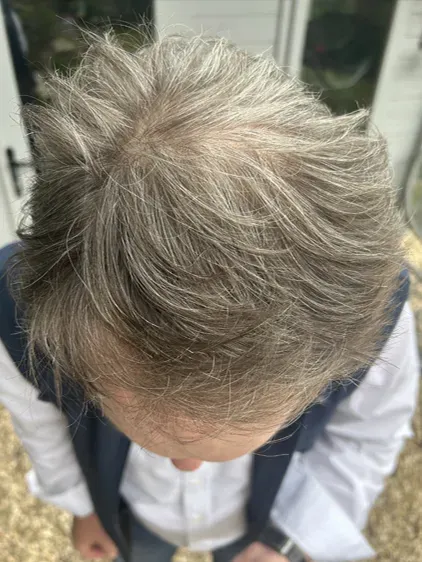
12 Months
I am so happy I started my Voy journey and feel back to being myself.
"The difference has been incredible! My confidence is back, and my hair is better than I can ever remember - I couldn’t believe the difference, and neither could my friends and family."
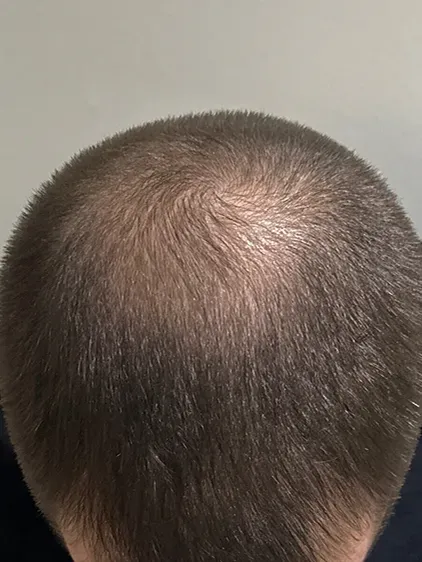
Day 1
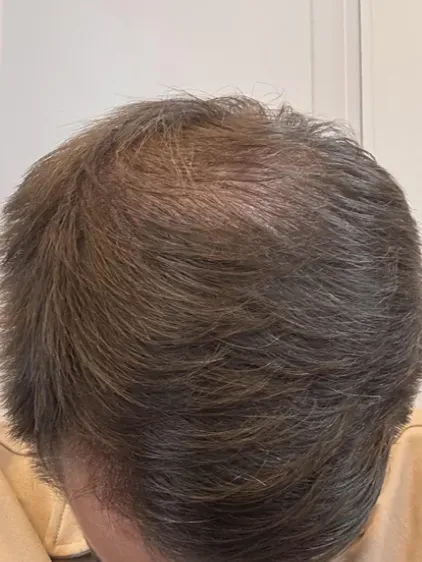
15 Months
I have seen noticeable reversal of hairline recession, particularly around the temples
"Using Finasteride has slowed down my hair loss and using Minoxidil has helped to promote hair growth. I feel like my hair line is in the process of restoration."
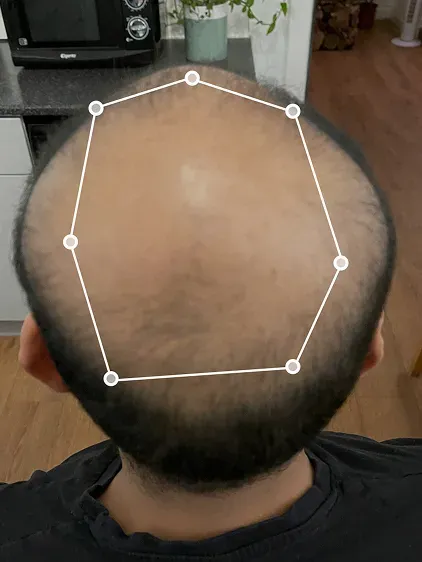
Day 1
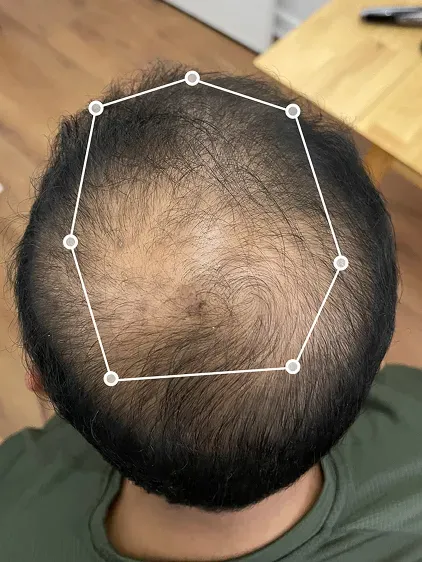
5 Months
I stopped wearing caps!
"Everyone around me - colleagues, family, friends - noticed that my hair was growing. There was a time when I wouldn’t leave the house without a cap and only took it off at home. Honestly, my self-esteem has completely turned around."
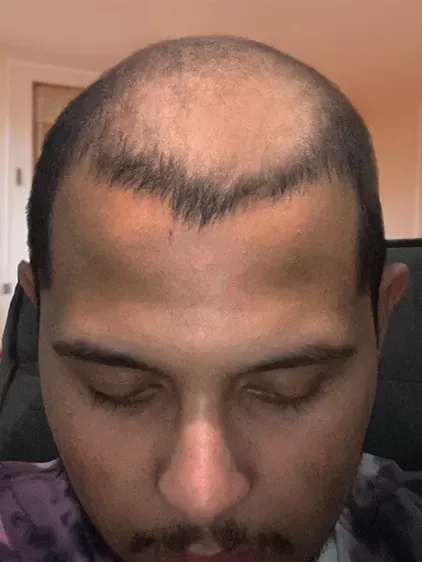
Day 1
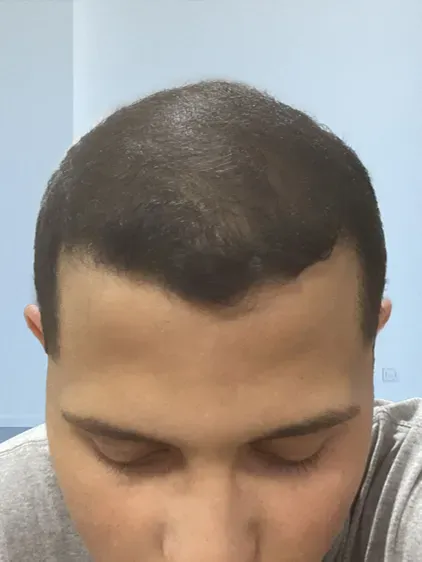
6 Months
Feeling Like Myself Again
"After five months with Voy, I’ve seen real regrowth and thicker hair. I feel so much more confident and comfortable going out - I couldn’t be happier with the results."
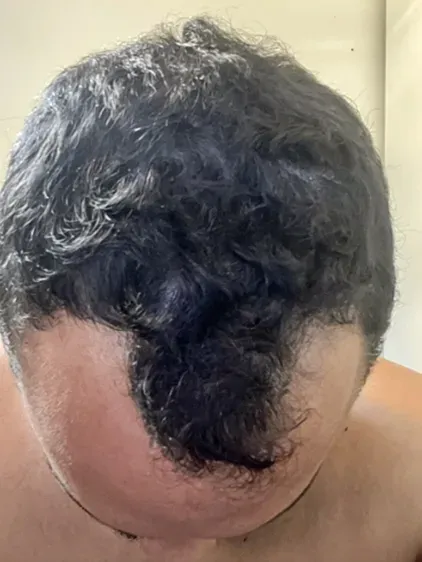
Day 1
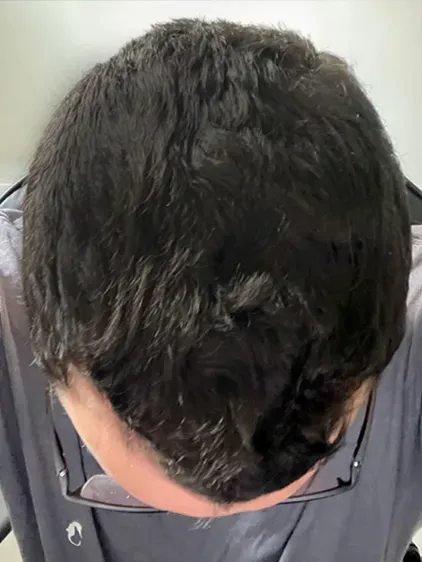
5 Months
I'm here as proof — it really worked for me!
"I'm already in the third month and it's improved by about 80%."
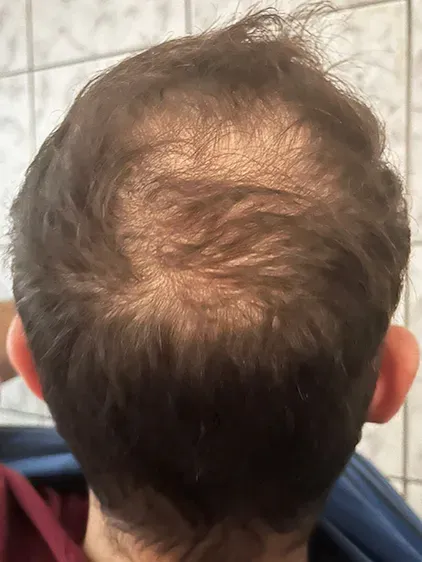
Day 1
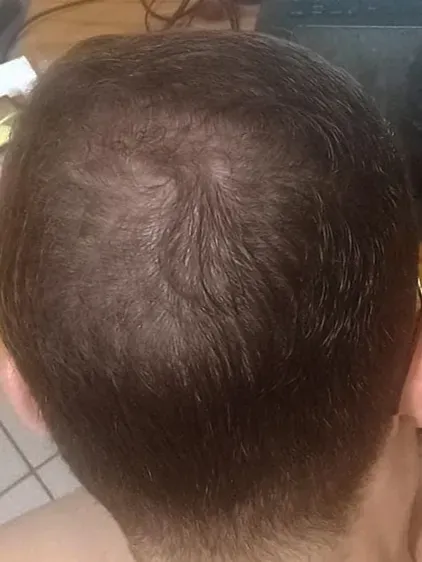
3 Months
Problem solved!
"I really enjoyed the experience with you! My problem is pretty much solved now — I just need to maintain it."
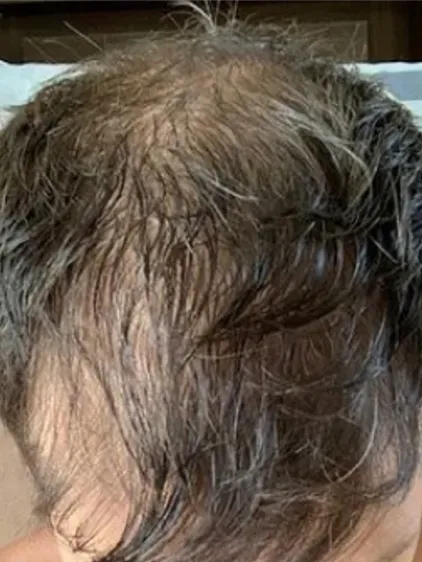
Day 1
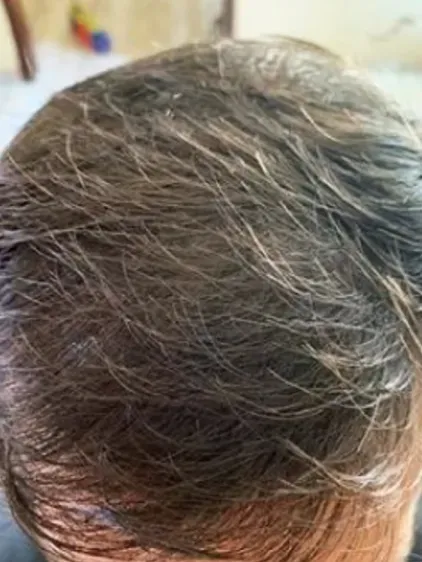
3 Months
I can't believe my results!
"The strands are thicker, the receding areas are shrinking, and even some bald spots I had on my scalp are no longer visible!"
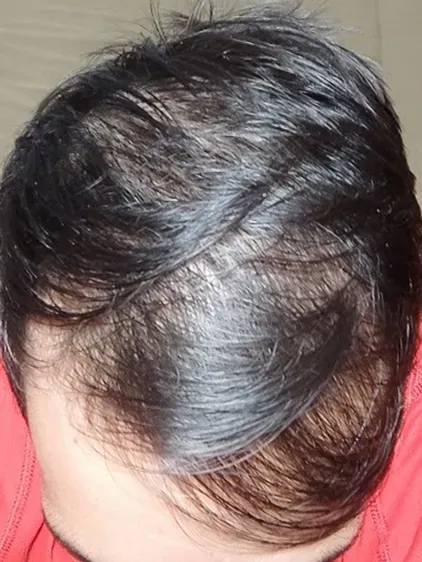
Day 1
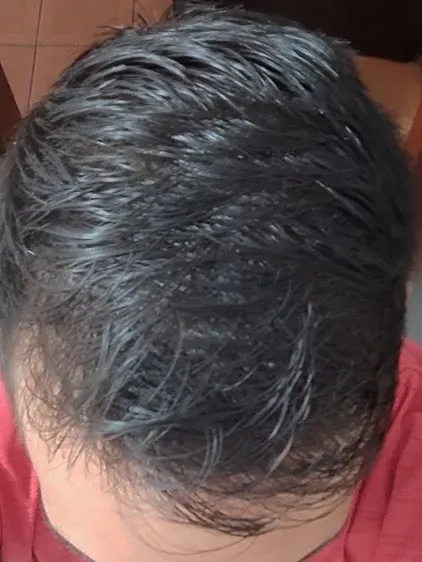
3 Months
What a change!
"I’ve been taking it for three months and there’s already a pretty noticeable difference!"
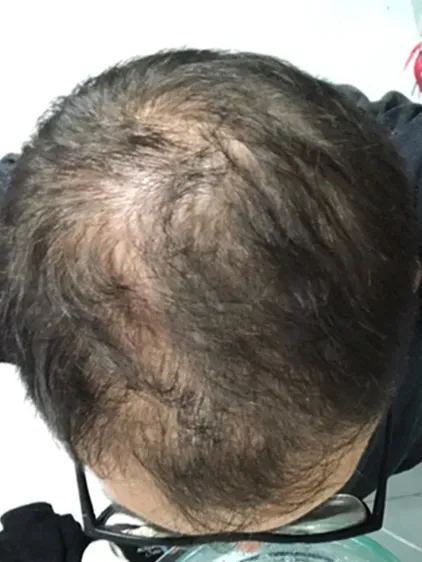
Day 1
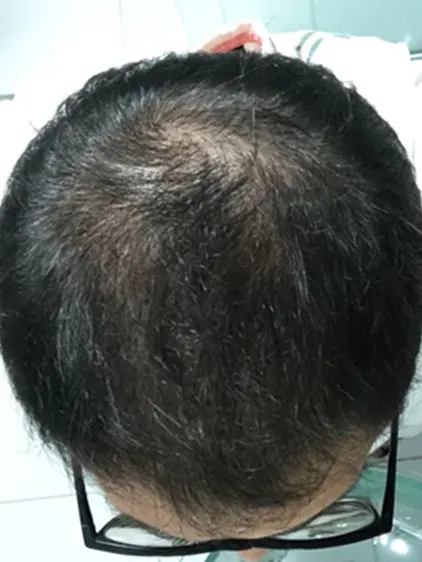
6 Months


Evidence-backed treatments to stop hair loss and improve growth

Dr. Earim Chaudry, Chief Medical Officer
91%
of men using Voy saw hair loss stop or growth start, in just 3 months of treatment
Citations
Based on a survey of 665 Voy patients after 3 months of receiving treatment
Citations
Based on a survey of 665 Voy patients after 3 months of receiving treatment
FAQs
Science-backed answers for peace of mind
How long will it take to see results?
Best results are seen between 6 to 12 months, with some early changes showing from 1 to 3 months after you start treatment. The first 3 months will typically be a period of shedding of the old hair, and the start of a new hair growth cycle. This is completely normal, and a sign the treatment is working.
Are there any side effects?
Most patients do not experience significant side effects from hair loss treatment. If side effects do occur, our clinicians are available on call to discuss your symptoms and adjust treatment where necessary. The most common side effects include:
– Increased hair shedding can occur in the first weeks of treatment, this is typically short-lived and followed by improved hair growth once the shedding phase resolves.
– Scalp irritation with topical minoxidil (around 10% of users)
– Headaches or increased hair growth outside the scalp with minoxidil
– If your treatment has a DHT blocker mechanism there is a small (~2%) increased risk of sexual side effects.
– Rarely, reports of depression or suicidal ideation have also been associated with their use. Scalp irritation with topical minoxidil (around 10% of users)
What kind of hair loss does this treat?
Hair loss treatments are clinically proven to be effective when used together at improving all types of hair loss including:
– Receding hairlines
– Thinning at the crown
– Thinning all over

Our available treatment types
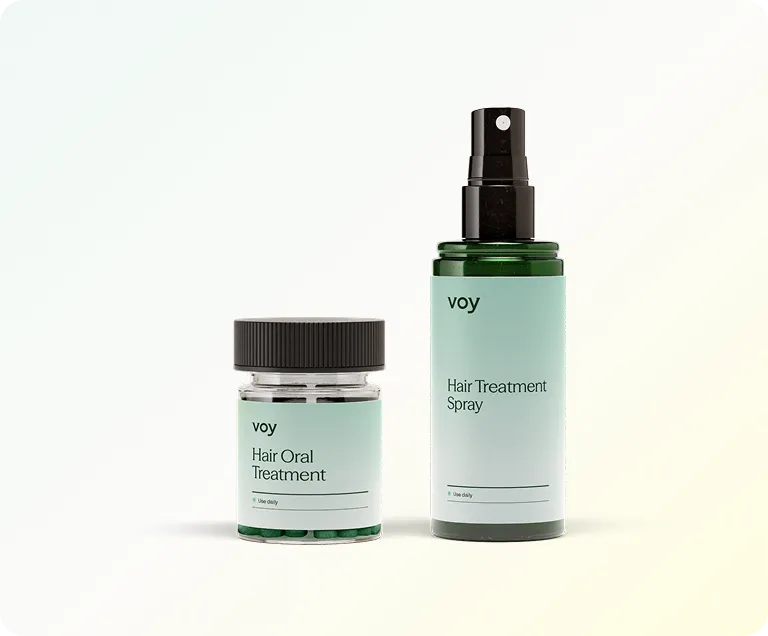
Spray & Capsules
All-in-One Plans
Topical and oral plan to prevent further loss while stimulating hair growth
 Best for maximum results
- Effectiveness
- Over 9/10 men
From £19 per month
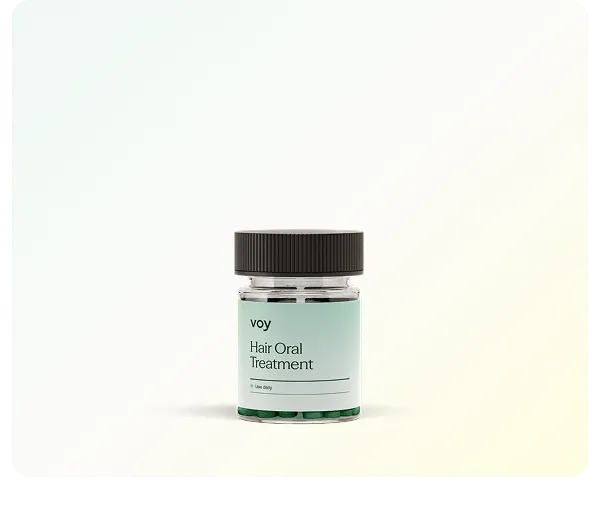
Capsules
Hair Oral Plans
Combat hair thinning from within with a simple daily routine
 Shields against hair loss
- Effectiveness
- over 7/10 men
From £13 per month
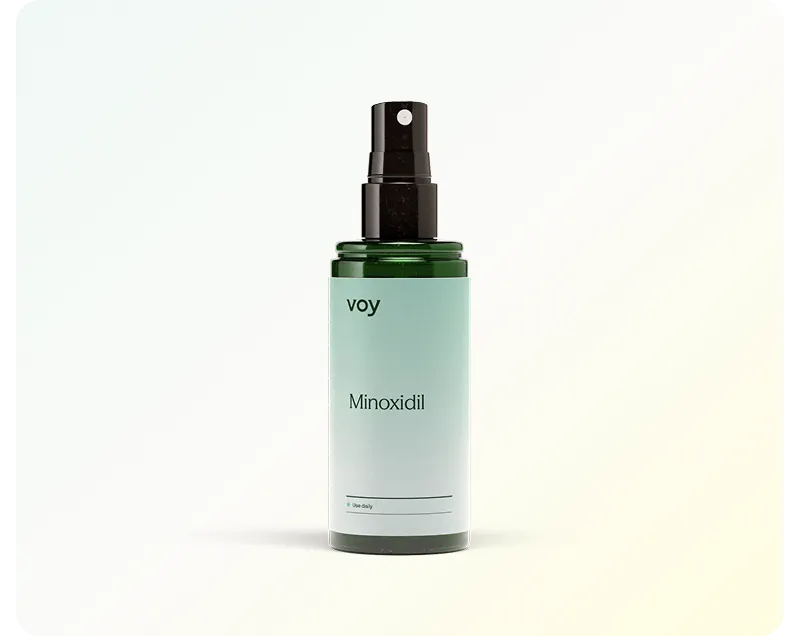
Spray
Hair Spray Plans
Apply directly to scalp to stimulate follicles at the root
 Stimulates hair growth
- Effectiveness
- over 9/10 men
From £14 per month


Voy patients see real hair regrowth
91%
of men using Voy saw hair loss stop or growth start, in just 3 months of treatment
See how much hair you could get back
Starting hair loss
With Voy's treatments


With Voy's treatments


With Voy's treatments


With Voy's treatments


Getting started
Your hair regrowth journey starts today
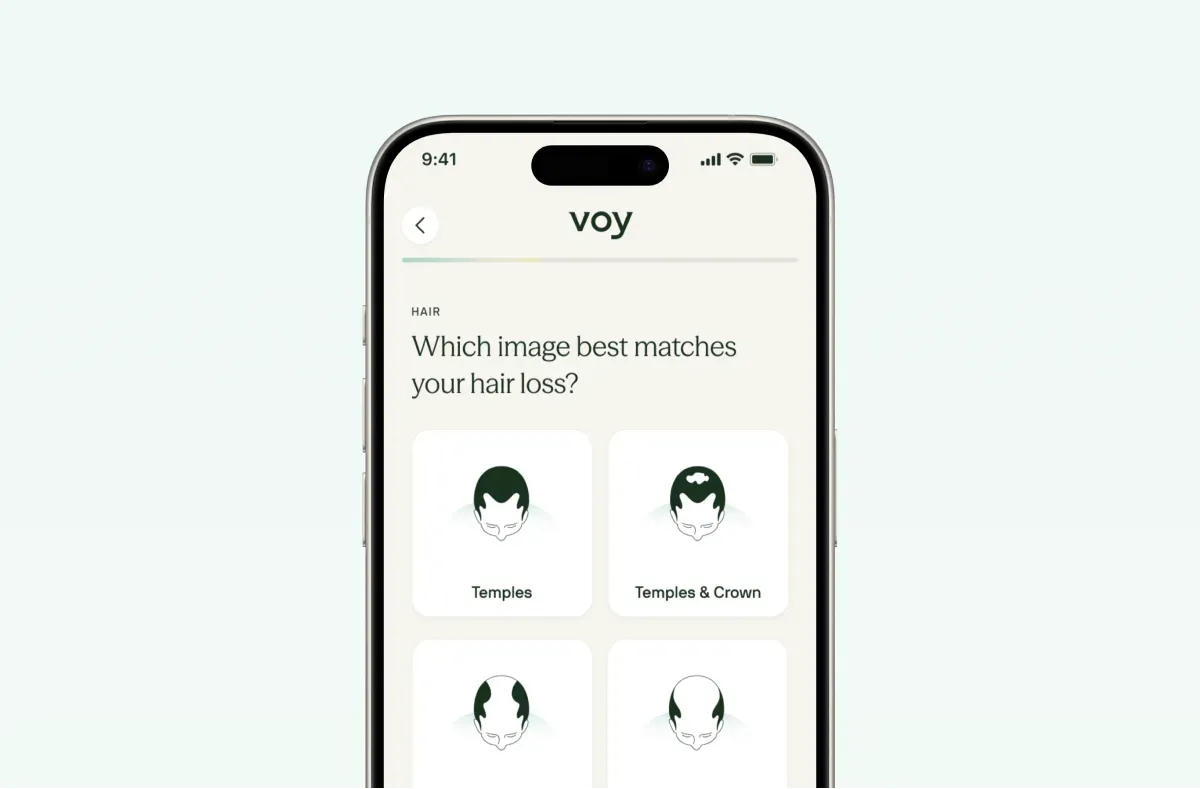
Take our quick assessment
We’ll ask you a few questions about your hair loss and medical history. You’ll be done in under 2 minutes.
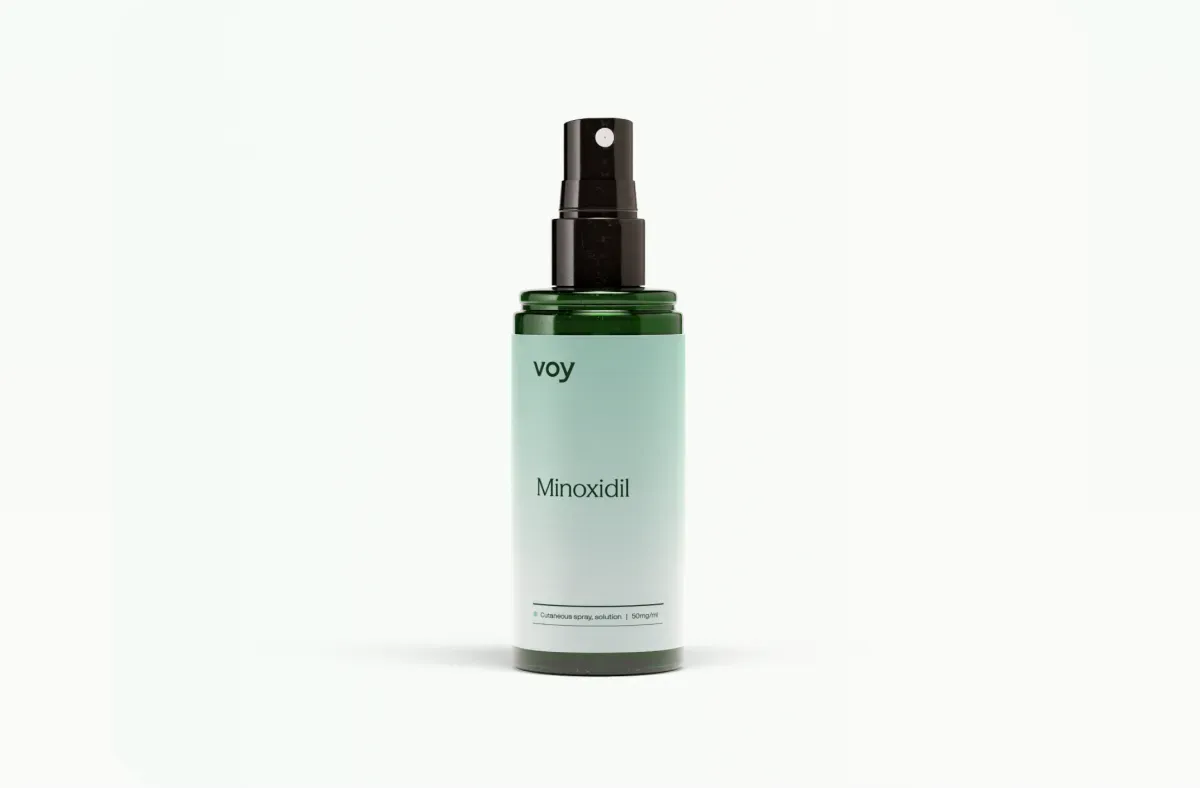
Select a treatment
Create your personalised hair regrowth plan including Minoxidil.
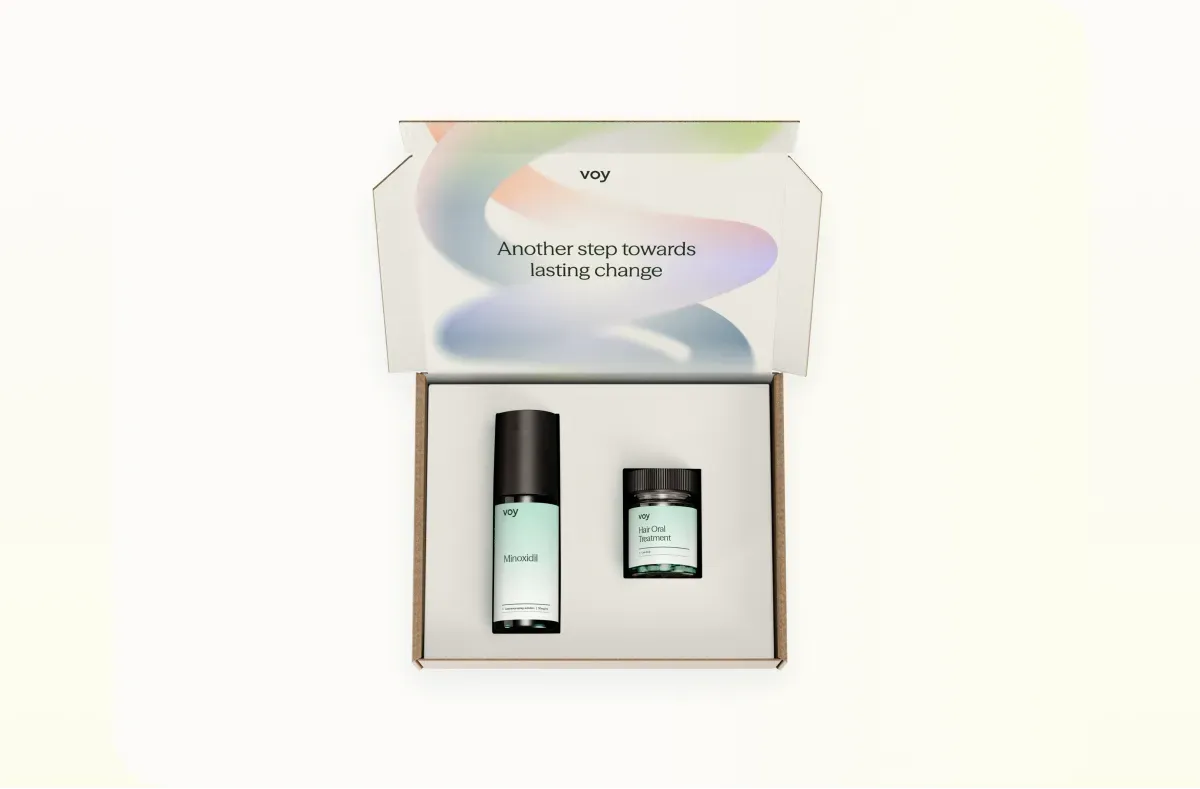
Delivered in less than 48 hours
Fast, free and discreet delivery with every order.
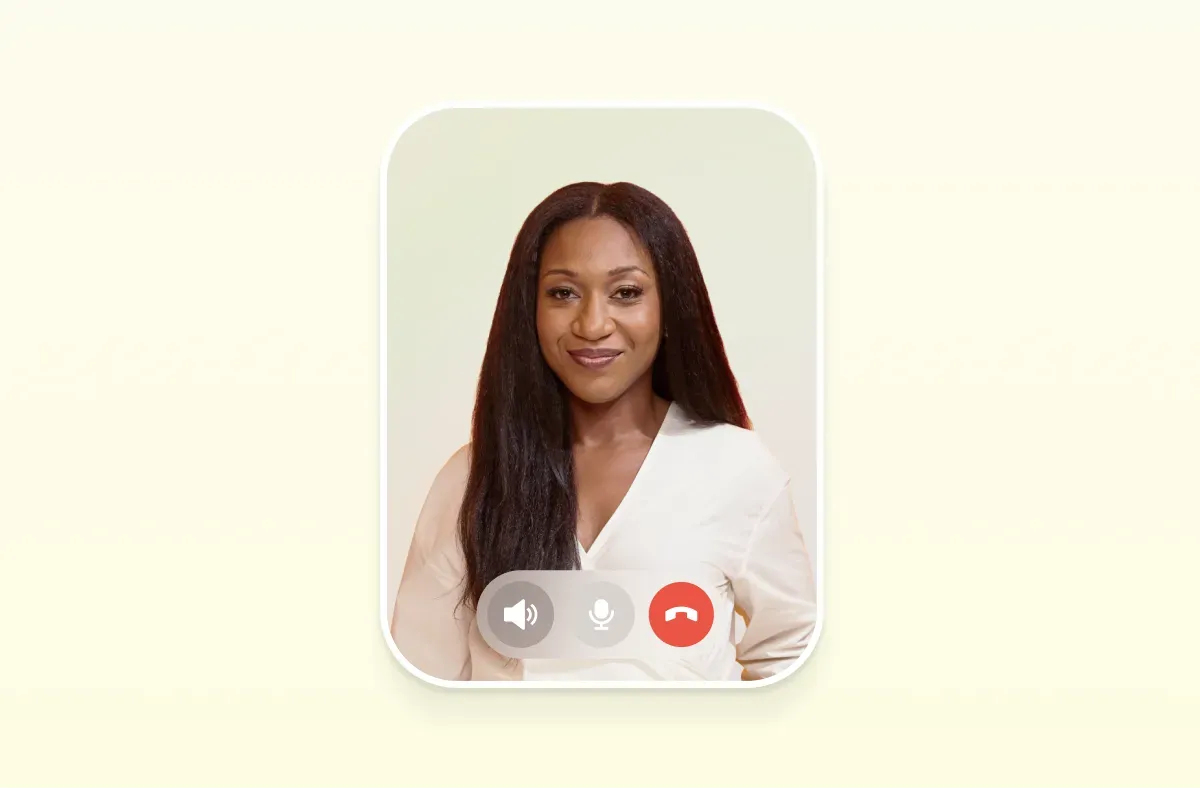
Maximise your results
Expert hair specialists monitor your progress and customise your plan to maximise your success.


What to expect
The hair growth journey
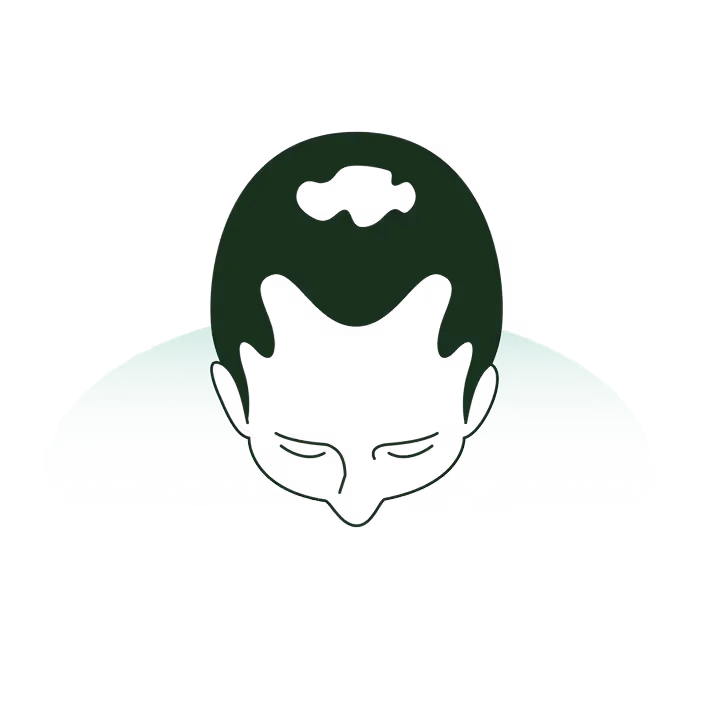
0 to 3 months
Reset phase
No visible change. Some shedding is normal, and a sign that your hair growth cycle has started!
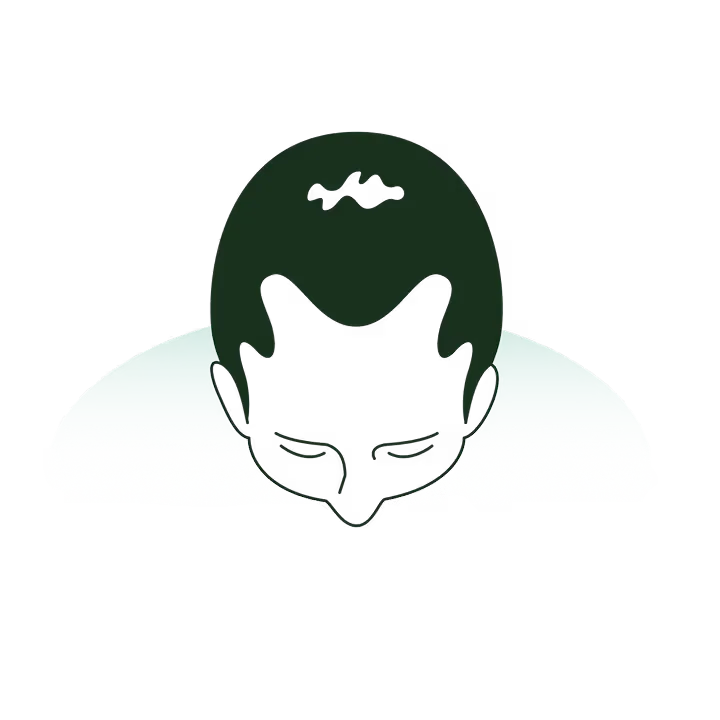
3 to 6 months
Stabilisation
Hair loss will have slowed and you might start noticing some growth
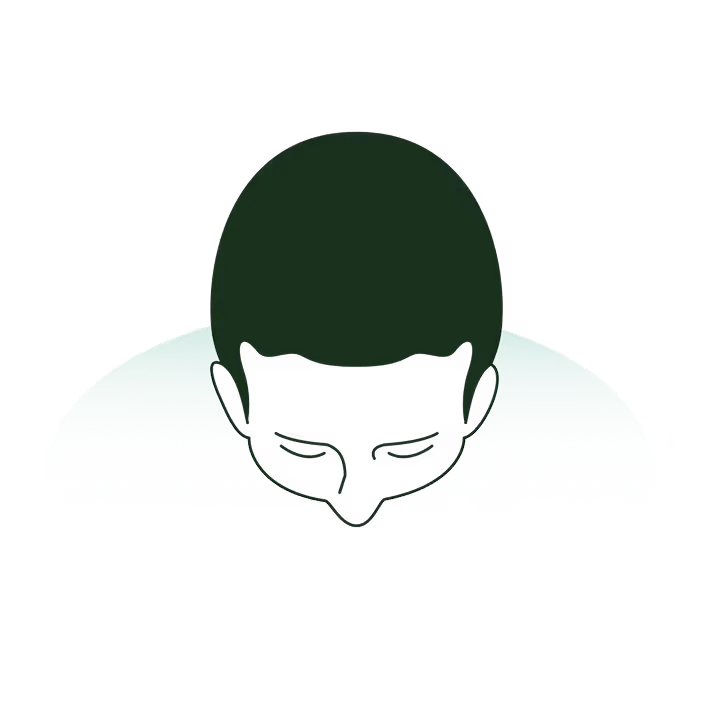
6 to 12 months
Regrowth
Improved scalp coverage and hairline density as regenerated hairs fill in areas of thinning hair


is now Voy
Over half a million UK men have trusted us with their hair loss treatment — now we’re offering even more complete care. Learn more about Manual becoming Voy

The science behind how hair loss treatments work
Dr. Earim Chaudry, Medical Director
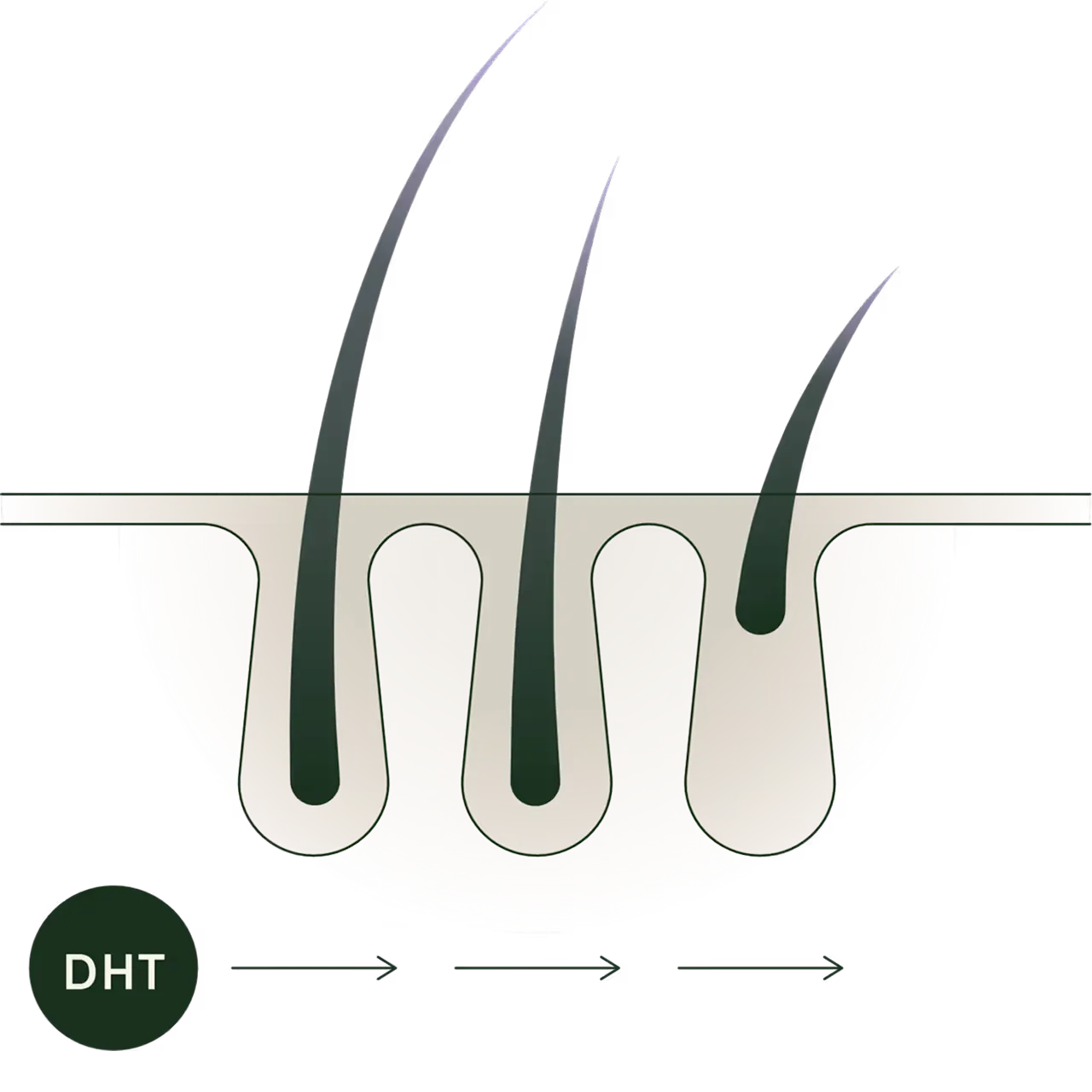
Why we lose hair
DHT (a male hormone) shrinks your hair follicles causing hair thinning, and eventually baldness.
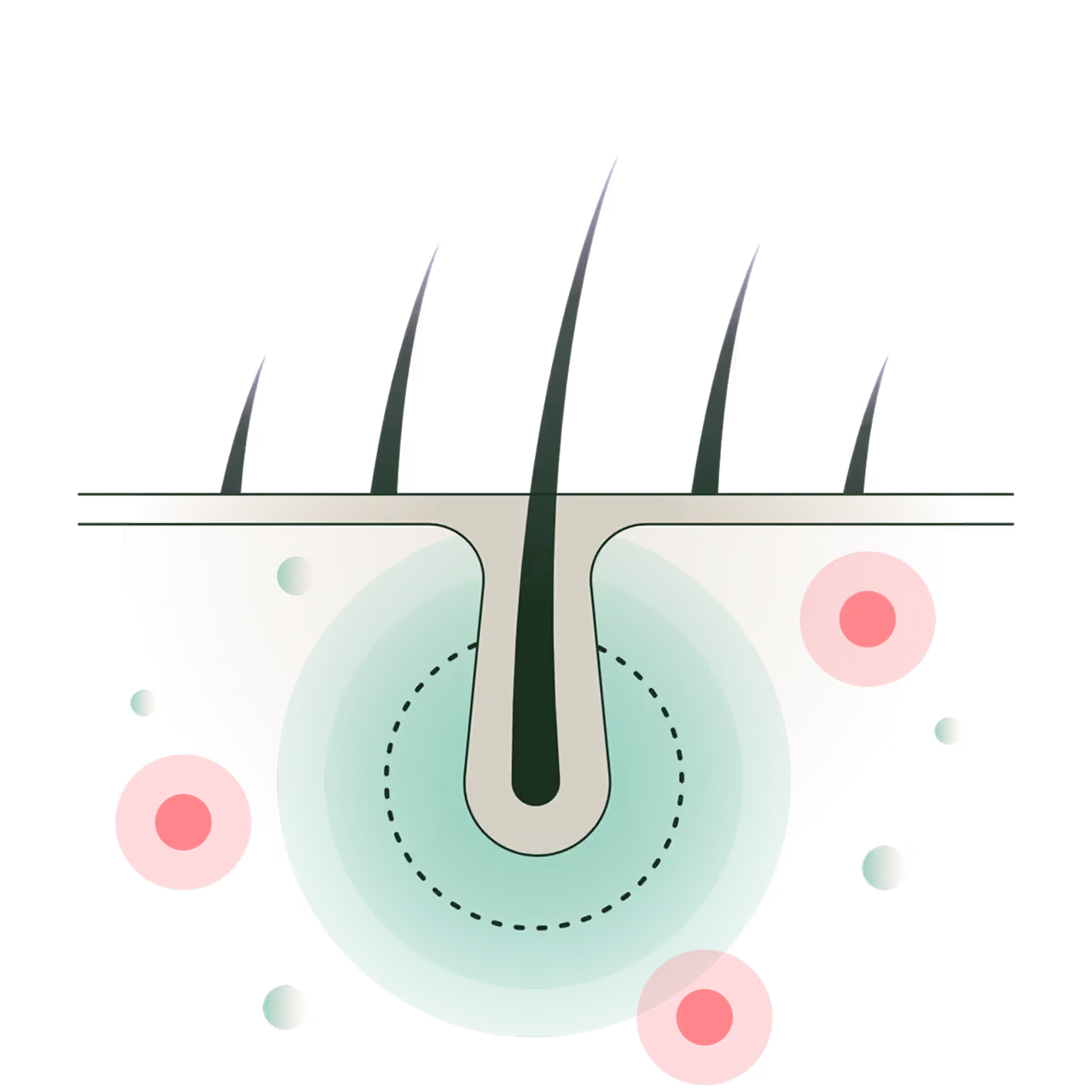
DHT blockers
Blocks the enzyme that produces DHT. This prevents hair loss and promotes hair regrowth.
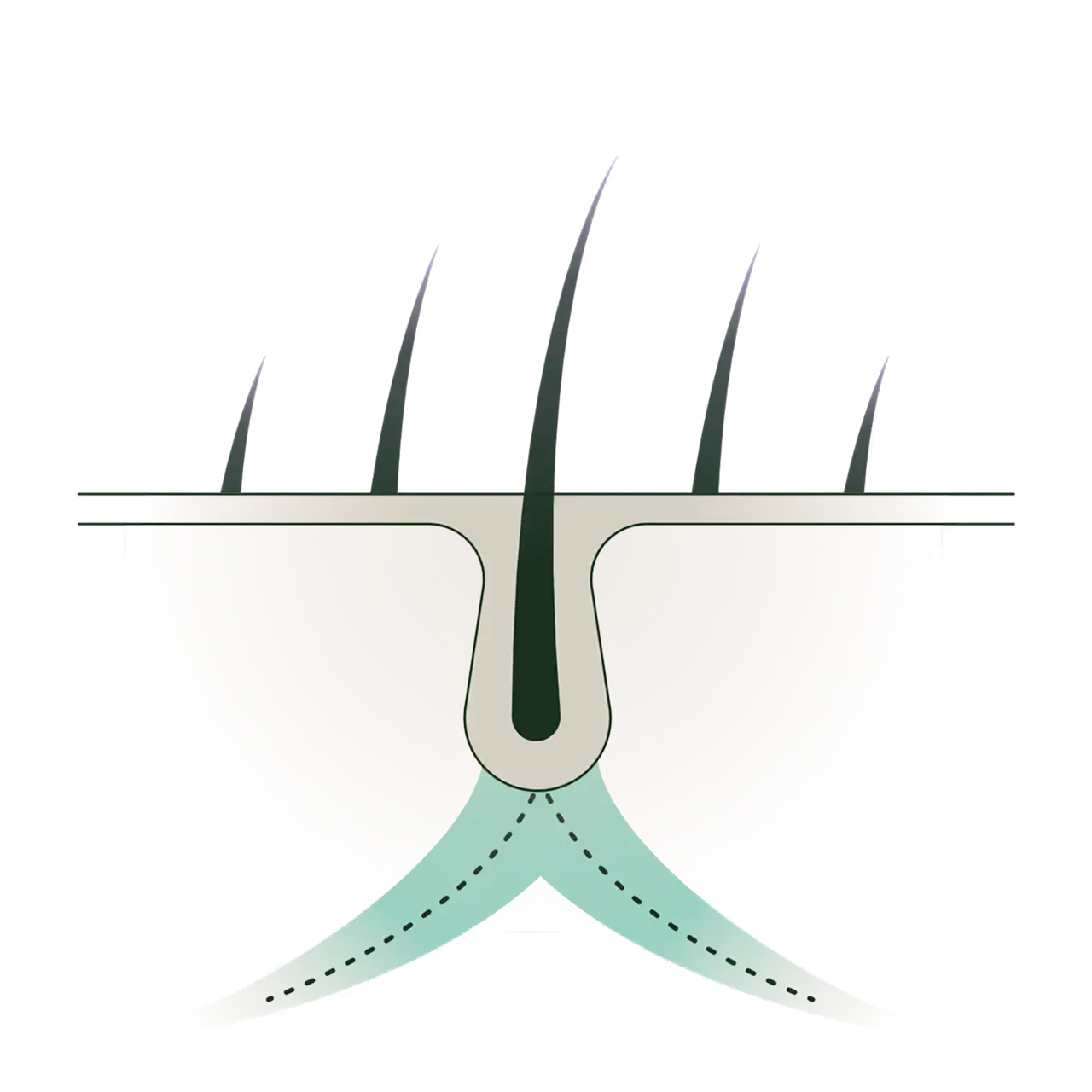
Minoxidil
Minoxidil acts as a hair fertiliser, increasing blood flow to follicles to promote longer, thicker hair growth.


Our hair experts are here to maximise your success
Our clinicians make sure you get the best treatment possible. They closely monitor your progress, adjust your plan based on your needs and goals, and provide free, convenient support via video calls and WhatsApp.

Earim Chaudry
Chief Medical Officer
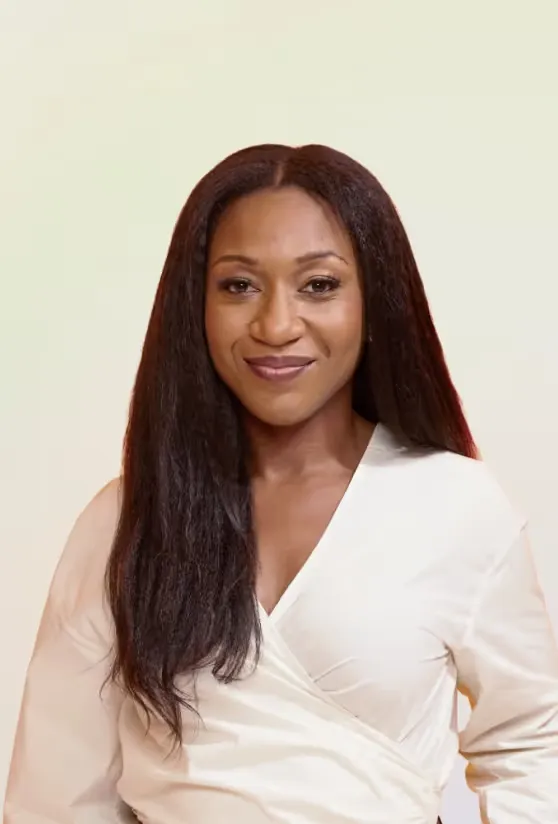
Eve Agwuncha
Pharmacist, Ind. Prescriber
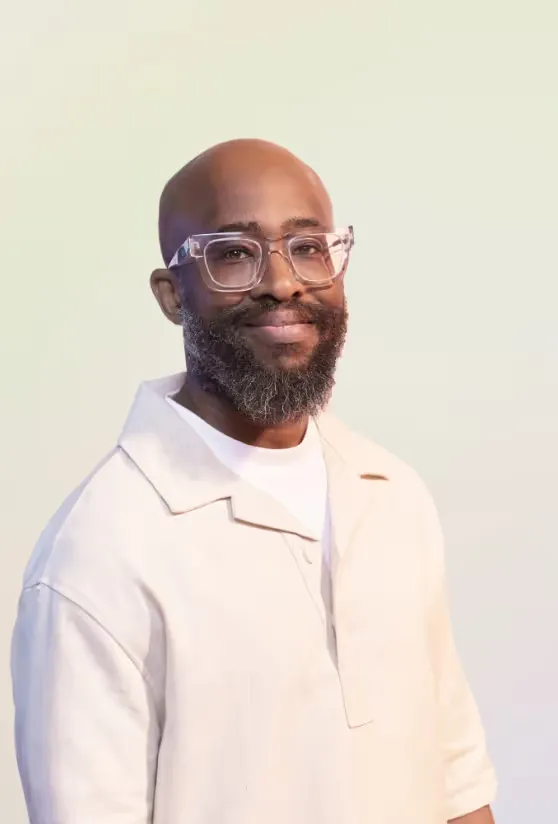
Bentley Ifediora-Ezike
Pharmacist, Ind. Prescriber
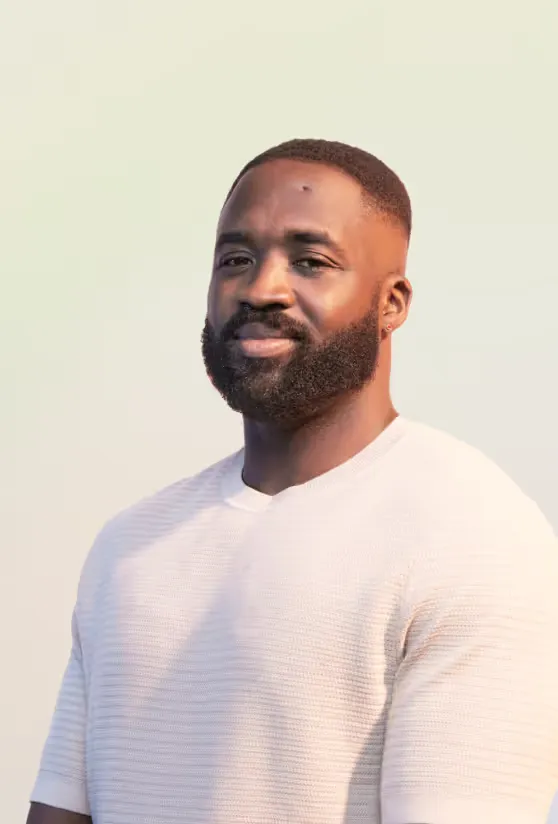
Michael Sam-Yorke
Pharmacist, Ind. Prescriber


Trusted by 500,000+ customers
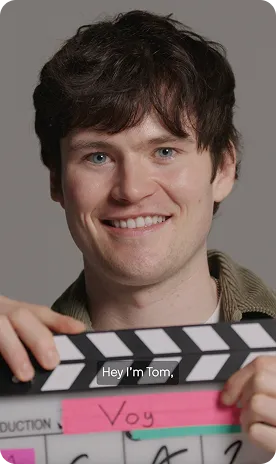
Tom, 26

Rob, 48
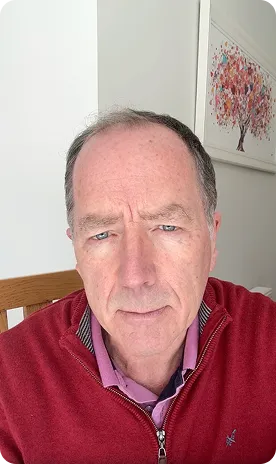
Charles, 60
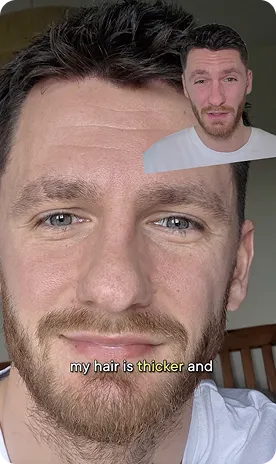
Rhys, 32


FAQ
Male Hair Loss: Everything You Need to Know
Curated by Dr. Earim Chaudry, MBBS, Chief Medical Director
Overview
Male pattern baldness (MPB) is common – and probably more common than you think. 30% of men aged 30 have it to some degree. By the age of 70, that proportion is 70%. While some of us can even see it in our 20s, others can hold out until their older years. The chances are that you will almost certainly see some degree of thinning.
But what are the common causes of hair loss? And is it treatable? Read on to find out more.
The Causes of MPB and Other Hair Loss
In 90% of cases, though, male hair loss is caused by MPB (also known as androgenic alopecia). This is a result of your hormones and genes – and your follicles’ sensitivity to dihydrotestosterone (DHT). DHT is a male hormone that gives your male characteristics when young, but it impacts hair growth as you age.
DHT binds to hair follicles on your scalp, and causes them to shrink, weaken, and stop producing healthy hair. It also affects your hair growth cycle, meaning that your follicles are in their resting phase for longer and stay in the growth phase (or anagen phase) for a shorter time. MPB is treatable and even reversible.
There are other reasons why you can lose your hair – and, unfortunately, not all of them are treatable. Alopecia areata is one possibility, caused by autoimmune disease, in which hair falls out in clumps. Another cause is traction alopecia, where hair falls out due to tension at the root. This is usually the result of wearing a tight-fitting helmet for too long, or wearing hairstyles such as braids, cornrows, or hairpieces too tightly. It’s usually accompanied by itchiness and redness on the scalp.
Trichotillomania, or obsessive hair pulling, is another of the types of hair loss, caused by physically pulling out hair from the scalp or eyebrows. Meanwhile, telogen effluvium is the name of hair loss caused by stress. Other medical conditions and treatments – including fungal infection and chemotherapy – can also cause hair loss. Consult your GP or a dermatologist before treatment.
Is my hair loss treatable?
If you’re male and in 90% of hair loss cases, take a deep breath. It’s okay. MPB is easily treated using widely approved treatments.
You’ll be able to recognise it if you have MPB. It first affects either the hair above your temples or on your crown. You’ll see your hairline receding into a “widow’s peak”, a v-shaped hairline at the front of your head. Elsewhere, thinning hair will be seen across the top of the head. Importantly, it won’t fall out suddenly or in clumps, and it won’t leave behind a rash.
Hair loss treatments tackle the root cause of MPB by blocking the production of the hormone DHT. Effective in >90% of men it intervenes to prevent the shrinkage of hair follicles before they become permanently damaged.
Minoxidil, meanwhile, is applied topically as a spray. It’s a “vasodilator”, widening blood vessels on the scalp to facilitate the transport of nutrients and oxygen. It’s shown to help regrowth in two thirds of men. We recommend that men use both of these treatments together.
What are the side effects of the treatments?
Like all medications, these treatments can have side effects. However, the good news is that these side effects are rare, and the vast majority of people do not experience them.
The side effects of Minoxidil usually come as a result of overapplication. They include dizziness and drowsiness – as the increased blood flow lowers your blood pressure slightly – as well as irritation in the area of your scalp where it has been applied. Other side effects may include hypertrichosis (abnormal amount of hair growth), changes in hair colour, headaches, fast heartbeat, fluid retention (swelling) in the hands, feet or legs, shortness of breath, and low blood pressure. More serious side effects – including chest pain, heart palpitations, nausea, and changes to your vision – are very rare.
Most men do not experience significant side effects whilst using DHT inhibitors. However, breast changes, testicular pain, changes in sperm quality, infertility, low mood, depression, suicidal thoughts and sexual dysfunction (decreased sex drive, erectile dysfunction and ejaculation disorders) have all been associated with their use. This medication isn’t suitable if you are trying to conceive or when your partner is pregnant.
Unreported side effects may also occur and our team of clinicians is on hand to help. You can adjust your plan at any time — visit your account to switch to a different treatment, postpone or change your delivery dates.
Why wouldn’t I have a hair transplant?
Hair transplants are not quite as permanent as they may seem. As MPB is a progressive condition, there’s no guarantee that your hair loss won’t continue post-op. And, as a result, you might find yourself saving up for a second or a third transplant.
Hair transplants are also accompanied by treatment with Finasteride and Minoxidil. These drugs tackle the root cause of hair loss, where hair transplants only manage the symptoms. You’re increasing the chances of further hair loss if you don’t follow surgery with these treatments. You’re the best judge of what you need, but if you’re getting a transplant, you’ll be taking these medications afterwards anyway.
Can a shampoo treat my hair loss?
Shampoos can be effectively used to support treatment of hair loss. However, with many duff products on the market, it’s important that you know what you are looking for.
Voy’s Power Shampoo includes ingredients known to encourage healthy hair regrowth. Caffeine is known to stimulate hair follicle activity. Biotin is an essential vitamin for hair health, as it plays a role in the production of keratin, the protein of which hair is made. Meanwhile, saw palmetto is thought to naturally reduce the amount of DHT in the body, too.